

14 products
14 products
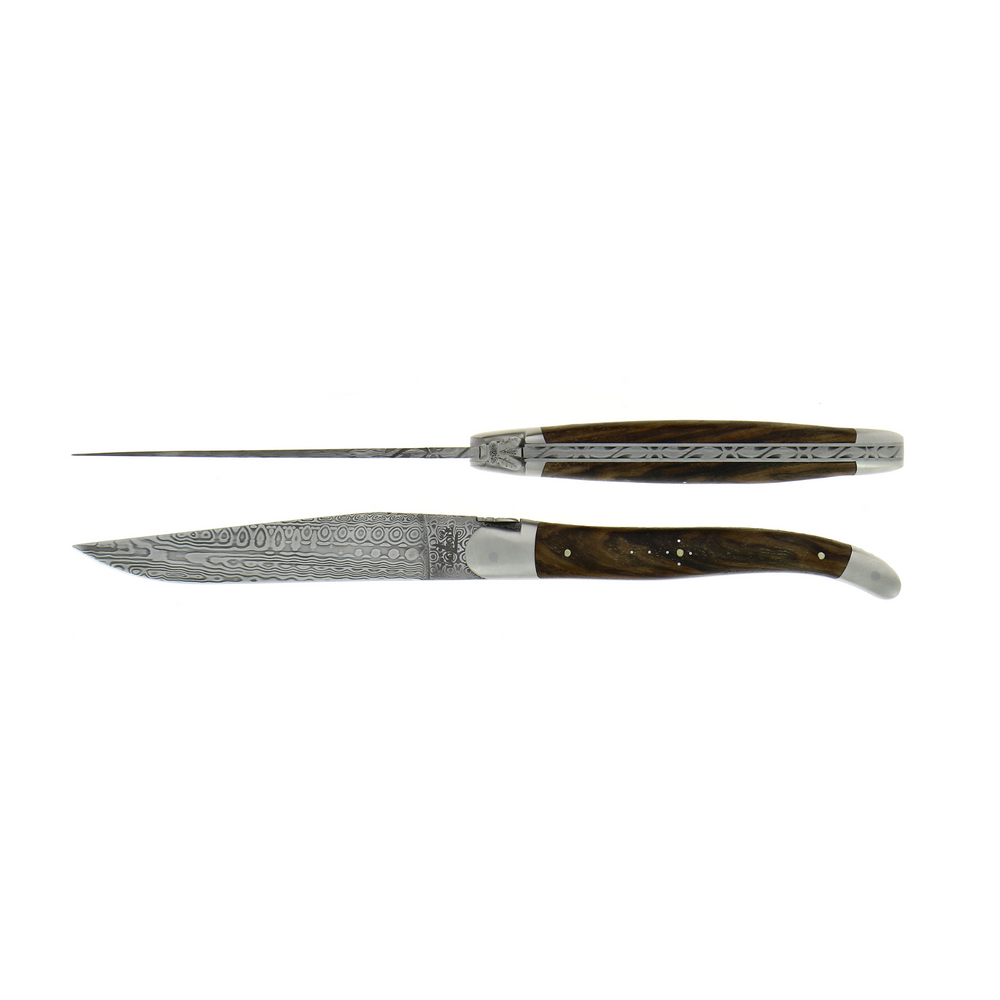
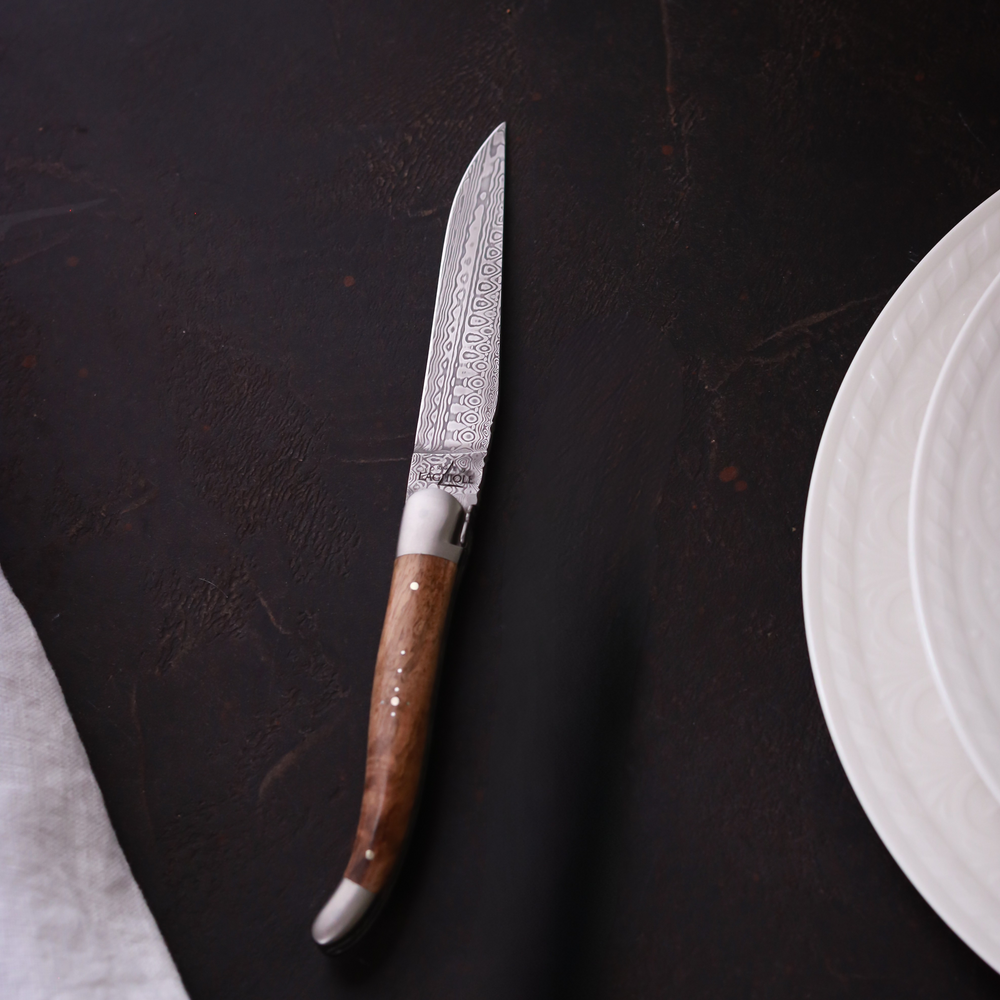
Table knives Walnut handle Damascus steel blade
Regular price
From $3,250.00 AUD
From $3,250.00 AUD
Sale price
Regular price


Forge de Laguiole Corkscrew – Walnut Handle & Stamped Bee
Regular price
From $460.00 AUD
From $460.00 AUD
Sale price
Regular price


Forge de Laguiole Corkscrew – Walnut Handle & Hand-Chiselled Bee
Regular price
From $660.00 AUD
From $660.00 AUD
Sale price
Regular price
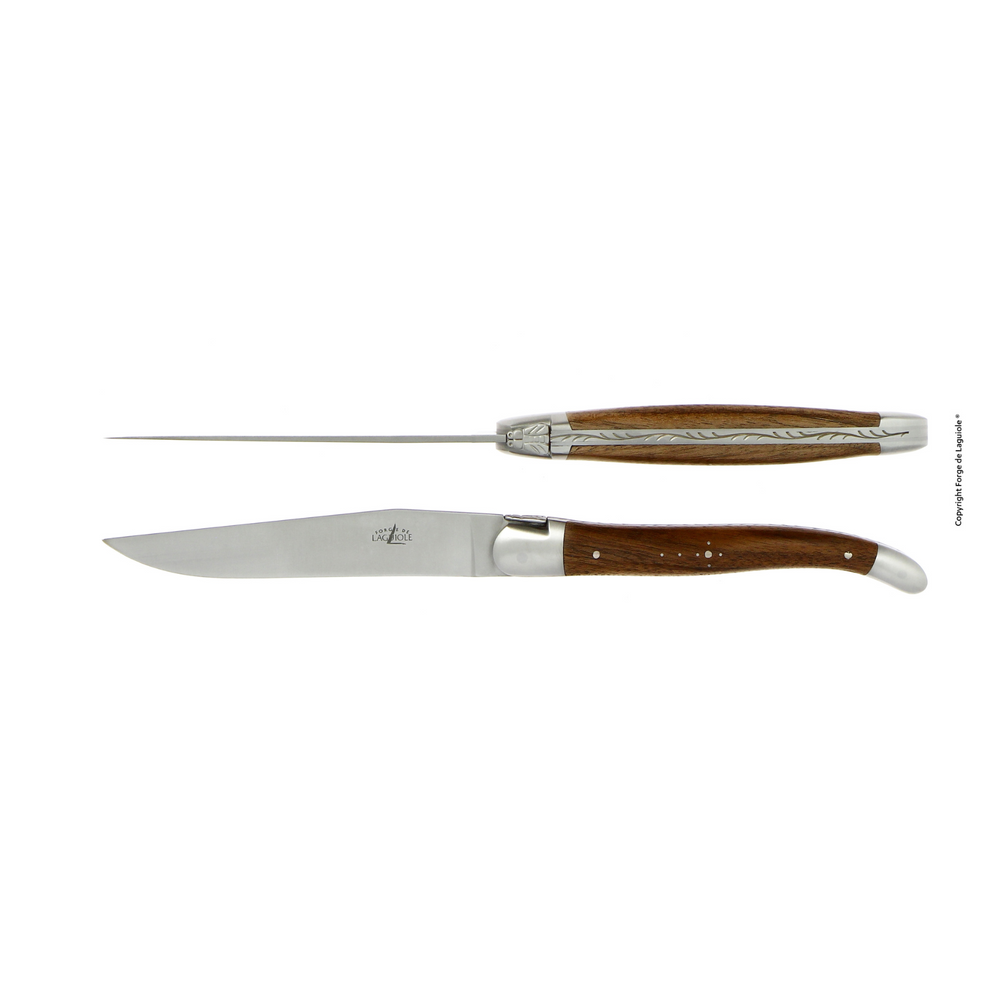
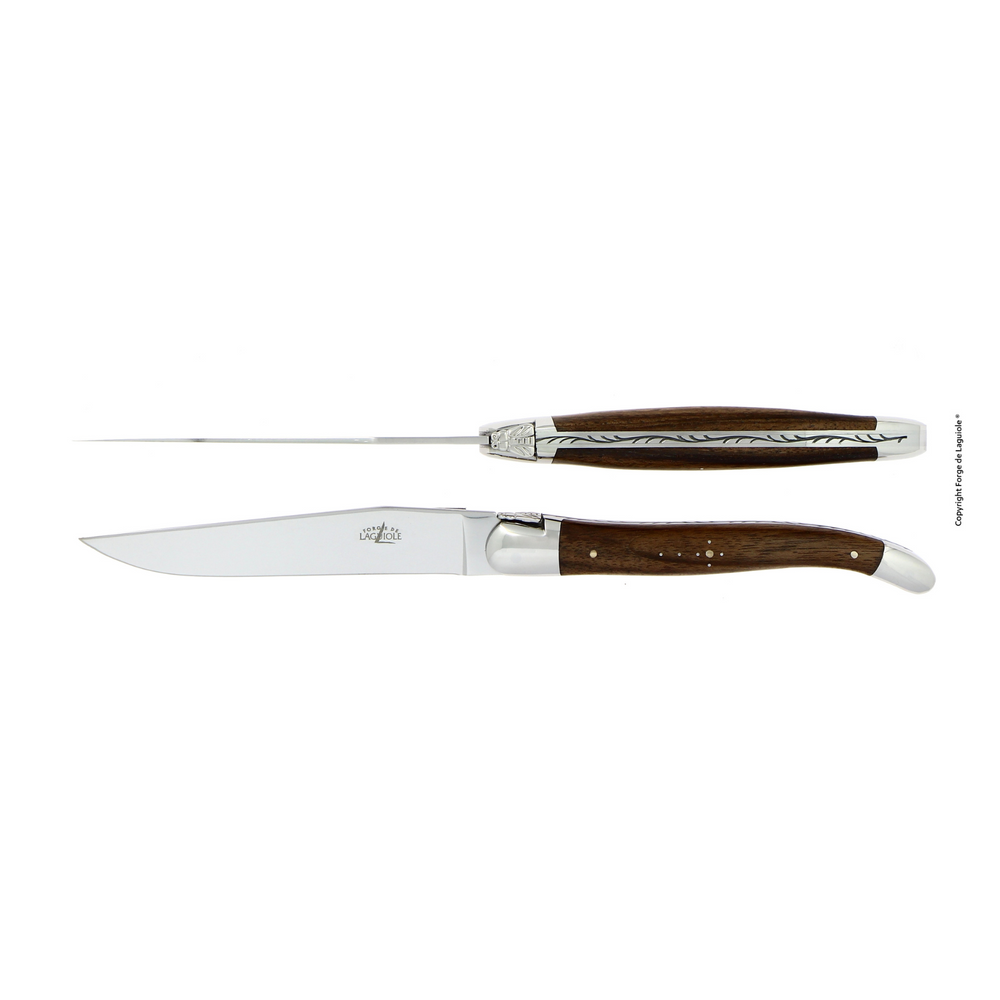
Table knives Walnut handle
Regular price
From $435.00 AUD
From $435.00 AUD
Sale price
Regular price


Forks Walnut Handle
Regular price
From $365.00 AUD
From $365.00 AUD
Sale price
Regular price


Tablespoons Walnut Handle
Regular price
$1,090.00 AUD
$1,090.00 AUD
Sale price
Regular price


Teaspoons Walnut Handle
Regular price
$980.00 AUD
$980.00 AUD
Sale price
Regular price


Cutlery Set of 24 Walnut Handle
Regular price
$4,605.00 AUD
$4,605.00 AUD
Sale price
Regular price


Butter knife Walnut handle "Lou Bure"
Regular price
$155.00 AUD
$155.00 AUD
Sale price
Regular price


Cutlery Set of 2 Walnut Handle
Regular price
$400.00 AUD
$400.00 AUD
Sale price
Regular price


Folding Knife Walnut Handle and 'Boralde' Spring
Regular price
$560.00 AUD
$560.00 AUD
Sale price
Regular price


Folding Knife Walnut Handle and 'Source' Spring
Regular price
$560.00 AUD
$560.00 AUD
Sale price
Regular price


Carving Set PRESTIGE Walnut Handle
Regular price
$2,740.00 AUD
$2,740.00 AUD
Sale price
Regular price


Folding Knife Walnut Handle and Stainless Steel Bolsters - IG (Indication Géographique)
Regular price
From $320.00 AUD
From $320.00 AUD
Sale price
Regular price
